Comprehensive Concrete Services for Strong, Durable, and Long-Lasting Structures

Concrete services play a crucial role in building and maintaining the structural integrity of residential, commercial, and industrial properties. Known for its exceptional strength, versatility, and longevity, concrete remains one of the most widely used materials in construction projects of all sizes. Professional GK Construction Solutions provides the expertise needed to create high-quality foundations, driveways, patios, walkways, retaining walls, and structural components that withstand time, weather, and continuous use. Whether constructing a new structure or renovating an existing space, proper concrete work ensures durability, safety, and long-term performance. Understanding the full scope of concrete services helps property owners make informed decisions and achieve the best possible outcomes for their projects.
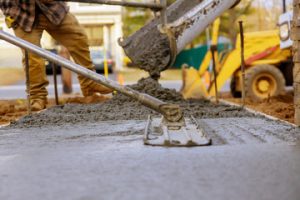
construction services

One of the primary advantages of concrete is its ability to adapt to various architectural styles and functional needs. Today’s concrete services go far beyond basic installation. Skilled professionals can customize colors, textures, and finishes to create visually appealing surfaces that enhance the aesthetic value of a property. This flexibility allows concrete to serve both structural and decorative purposes. Whether used for stamped walkways, polished floors, or reinforced foundations, concrete can be shaped and designed to meet unique project requirements. The growing demand for decorative and functional concrete solutions highlights the importance of experienced craftsmanship and advanced installation techniques.

Concrete is also highly valued for its load-bearing capacity and resistance to external elements. When installed correctly, concrete structures can last for decades with minimal maintenance. This reliability makes concrete a preferred choice for projects such as retaining walls, footings, garage slabs, and support columns. Professional concrete services ensure that these installations are completed with precision, proper reinforcement, and adequate curing time, which are vital factors in achieving maximum durability. With the right materials and expertise, concrete can withstand impacts, temperature fluctuations, moisture, and heavy loads without significant deterioration.

The process behind high-quality concrete work involves proper planning, accurate mixing, and precise placement. Each step requires attention to detail. For example, mixing concrete with the right ratio of water, cement, sand, and aggregate ensures optimal strength. Professionals also evaluate the soil condition, drainage requirements, and environmental factors to determine the appropriate installation method. Using reinforcement materials such as rebar or wire mesh helps prevent cracking and improves stability under pressure. These meticulous steps highlight why professional concrete services are essential for reliable, long-lasting results.

Concrete services are essential not only for new construction projects but also for repair and maintenance. Over time, even well-installed concrete can develop cracks, chips, or surface wear due to environmental exposure or heavy usage. Repairs help restore structural integrity and maintain the appearance of concrete surfaces. Trained specialists assess the extent of damage to determine the most suitable solution, whether it involves patching, resurfacing, or replacing sections of the concrete. Timely repairs help prevent small issues from escalating into larger, more costly problems, protecting the value of the property and extending the life of the structures.

Concrete services also encompass finishing and sealing, which are crucial for protecting surfaces from moisture, staining, and wear. Sealants create a protective barrier that enhances durability and makes surfaces easier to clean. This is especially important for driveways, patios, and garages that are exposed to vehicles, foot traffic, and outdoor elements. Polishing and staining options can transform plain concrete into a decorative feature while still maintaining its strength and functionality. Professional finishing adds both beauty and resilience, making concrete an attractive and practical option for many property owners.

To help clarify the variety of concrete solutions available, here is the most common types of concrete services:

Common Concrete Services Used in Residential and Commercial Projects

  1. Concrete Driveway Installation and Repair – Strong, durable driveways that handle daily vehicle traffic and enhance property appeal.
  2. Patio and Walkway Construction – Smooth, stable surfaces that improve outdoor living spaces and create safe walkways.
  3. Foundation and Slab Pouring – Essential structural components that support buildings and ensure long-term stability.
  4. Retaining Wall Construction – Functional walls that prevent soil erosion and add dimension to landscapes.
  5. Concrete Resurfacing and Overlays – Techniques that rejuvenate aging surfaces without full replacement.
  6. Decorative and Stamped Concrete – Customized textures and patterns that add visual interest to outdoor areas.
  7. Concrete Cutting and Removal – Safe and precise removal services for renovation, expansion, or redesign projects.
  8. Concrete Repair and Crack Filling – Restorative services that fix damaged surfaces and prevent further deterioration.

In addition to versatility, concrete offers environmental benefits, making it an increasingly popular choice for eco-conscious homeowners and builders. Concrete has a long lifespan, reducing the need for frequent replacements that contribute to waste. Its thermal mass also helps regulate indoor temperatures by absorbing and slowly releasing heat, reducing energy consumption for heating and cooling. When combined with reflective coatings or lighter coloring, concrete surfaces can help minimize heat absorption around the property, contributing to a cooler environment. For projects focused on sustainability, concrete remains one of the most practical and responsible building materials available.

Concrete also enhances safety by providing reliable, even surfaces that minimize tripping hazards and support heavy loads. Sidewalks, driveways, and patios made of concrete offer stability under various weather conditions. Concrete’s natural resistance to fire adds a layer of safety to structures such as garages, basements, and utility areas. With proper finishing techniques, concrete can also be made slip-resistant, making it ideal for pool decks, entryways, and outdoor steps. These qualities make concrete services essential for ensuring that residential and commercial properties remain safe, accessible, and functional.

Another important benefit of concrete services is the potential for significant aesthetic enhancement. Concrete no longer has to appear plain or industrial. Decorative techniques allow property owners to achieve rich textures, patterns, and colors that mimic high-end materials such as stone, slate, or brick. Stained, stamped, and polished concrete surfaces can elevate the appearance of driveways, patios, or interior spaces at a fraction of the cost of natural materials. This blend of beauty and durability makes decorative concrete an excellent investment for property owners seeking visually appealing and long-lasting solutions.

In addition to installation and aesthetic customization, concrete services support the structural health of a property through professional assessments and preventive maintenance. Technicians often inspect concrete structures for warning signs of wear or instability. Identifying these issues early helps protect the property’s safety and avoid costly structural damage. Homeowners and commercial property managers who invest in regular inspections ensure that their concrete structures remain strong and reliable for years to come.

To further help property owners understand when to seek concrete services, here is a list of common signs that professional assistance may be needed:

Signs You May Need Professional Concrete Services

  1. Visible Cracks and Fractures – Cracks can indicate soil movement, weather damage, or aging and should be repaired promptly.
  2. Uneven or Sunken Surfaces – Elevation changes often suggest soil erosion or poor foundation support.
  3. Water Pooling on Surfaces – Poor drainage can weaken concrete over time, requiring leveling or reinforcement.
  4. Flaking or Chipping Surface Areas – Often caused by freeze-thaw cycles or improper installation; needs corrective treatment.
  5. Discoloration or Staining – While often cosmetic, discoloration can signal water infiltration or surface damage.
  6. Loose or Crumbling Edges – Edges that begin breaking apart require immediate repairs to prevent further deterioration.
  7. Aged or Outdated Appearance – Older concrete can be resurfaced or refinished to improve aesthetics and functionality.
  8. Structural Shifting or Foundation Concerns – Any sign of foundational instability should be evaluated by a professional.

Professional concrete services also play a major role in property modernization. Whether homeowners want to upgrade their outdoor living area, install a new driveway, or incorporate decorative concrete elements, skilled contractors ensure that every project meets current standards for quality and safety. Modern equipment, improved techniques, and advanced materials help ensure that today’s concrete installations are stronger, smoother, and more attractive than ever before. This commitment to quality workmanship makes concrete one of the most reliable materials for enhancing property value and functionality.

Concrete’s ability to withstand harsh weather and heavy usage makes it especially suitable for high-traffic and outdoor areas. Unlike materials that warp, rot, or deteriorate with moisture, concrete maintains its strength and structural integrity in both wet and dry conditions. Seasonal temperature changes, heavy rainfall, and daily wear do little to compromise properly installed concrete. This resilience gives property owners confidence that their investment will endure for decades with minimal upkeep.

Concrete services also contribute to improved property organization and accessibility. Walkways, ramps, driveways, and stairs constructed from concrete provide smooth and secure routes throughout the property. These enhancements support both safety and convenience, especially for families with young children, older adults, or individuals with mobility challenges. Concrete ramps and pathways ensure that all areas of the property remain accessible and easy to navigate.

When planning a concrete project, property owners benefit from understanding the factors that influence the outcome. Soil conditions, climate, intended use, and design preferences all contribute to the type of concrete and reinforcement needed. Professional installers carefully evaluate these details before beginning the project to ensure that the finished work is strong, level, and visually appealing. This level of personalized service is essential for achieving long-lasting performance and meeting specific project goals.

In conclusion, concrete services are essential for creating durable, safe, and attractive structures across residential and commercial properties. From foundational work to decorative installations, professional concrete craftsmanship provides the precision, strength, and reliability needed for long-term results. Whether repairing existing surfaces or building new concrete features, skilled technicians ensure that every project is completed with exceptional care and attention to detail. With its unmatched durability and versatility, concrete remains one of the most dependable building materials available. Investing in high-quality concrete services enhances property value, improves functionality, and ensures lasting beauty and stability for many years to come.
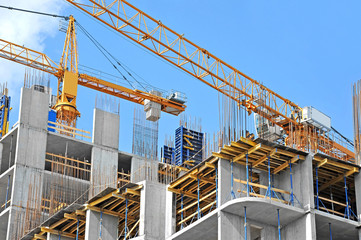
Starting a Construction Work the Right Way

Starting a construction work is an exciting yet challenging venture that requires careful planning, skilled labor, and the right approach to ensure success. Whether it involves building a residential home, commercial space, or infrastructure project, proper preparation sets the foundation for a smooth workflow and a high-quality result. With the right strategies in place, construction projects can run efficiently, stay within budget, and be completed on time.

construction

Understanding the Scope of Construction Work

Before starting a construction work, it is crucial to define the scope of the project. This involves identifying the type of structure, its size, purpose, and specific requirements. A clear understanding of the project scope allows everyone involved to know their roles and responsibilities. This step also helps in determining the materials needed, the estimated cost, and the timeline for completion.

A well-defined scope also reduces the risk of errors and delays. By outlining each stage of the project in detail, both workers and project managers can stay aligned and avoid unnecessary rework.

Creating a Strong Construction Plan

One of the most important steps in starting a construction work is creating a detailed plan. A construction plan serves as a roadmap that outlines the sequence of activities, deadlines, and resource allocation. It includes architectural designs, engineering specifications, and safety protocols that guide the entire process.

Without a proper plan, projects are more likely to face setbacks, increased costs, and safety hazards. A strong plan not only improves efficiency but also ensures that the final structure meets quality standards.

Budgeting and Cost Estimation

Financial preparation plays a vital role in the success of any construction work. Creating a budget involves estimating the costs of materials, labor, equipment, and permits. A realistic budget prevents overspending and ensures that resources are used effectively.

Cost estimation should also account for unexpected expenses. Factors such as weather delays, material price fluctuations, and design changes can affect the budget. Allocating a contingency fund provides a financial cushion to handle these challenges without interrupting progress.

Securing the Right Permits and Approvals

Before construction begins, it is necessary to secure all required permits and approvals. These documents ensure that the project complies with local building codes, safety standards, and environmental regulations. Starting construction without proper authorization can lead to legal issues, fines, or even a complete shutdown of the project.

Following compliance rules not only avoids delays but also ensures the safety and durability of the structure being built.

Choosing Skilled Workers and Reliable Equipment

The success of any construction work depends heavily on the skill and expertise of the workforce. Hiring qualified workers who are trained in their specific trades ensures that the project is carried out with precision. From masons and carpenters to electricians and engineers, each professional plays a vital role in the final outcome.

Equally important is the use of reliable equipment and tools. Modern machinery improves productivity, reduces manual effort, and minimizes the risk of accidents. Regular maintenance of equipment ensures efficiency throughout the construction phase.

Prioritizing Safety on the Worksite

Safety should always be the top priority when starting a construction work. Construction sites involve risks such as heavy machinery, heights, and electrical systems. Implementing strict safety protocols helps protect workers and prevent accidents.

Safety measures include providing protective gear, conducting regular inspections, and training workers on proper procedures. A safe worksite not only reduces risks but also boosts worker morale and productivity.

Managing Materials and Resources

Efficient material management is another key factor in successful construction work. Proper storage, timely delivery, and accurate tracking of materials ensure that resources are available when needed. Mismanagement can lead to delays, wastage, and increased costs.

Using high-quality materials also guarantees durability and long-term performance of the finished structure. Investing in the right resources at the beginning prevents costly repairs and replacements in the future.

Effective Project Management

Strong project management ties all elements of construction together. A skilled project manager oversees planning, scheduling, resource allocation, and communication among all parties. Their role is to keep the project on track, resolve conflicts, and ensure that deadlines are met.

Project management also involves regular progress monitoring. By tracking milestones and addressing issues early, managers can prevent small problems from turning into major setbacks.

Embracing Modern Technology in Construction

Technology has transformed the way construction work is carried out. Tools such as digital design software, drones, and project management applications improve accuracy and efficiency. These technologies allow teams to visualize designs, monitor progress, and detect issues before they escalate.

Automation and advanced machinery also speed up tasks that once required extensive manual labor, making construction work safer and more cost-effective.

Staying Environmentally Responsible

Sustainability has become a major focus in modern construction work. Using eco-friendly materials, energy-efficient designs, and waste reduction practices not only benefits the environment but also enhances the long-term value of the project.

Incorporating green practices from the start helps reduce environmental impact and aligns with the growing demand for sustainable living and working spaces.

Final Touches and Quality Assurance

As the construction work nears completion, attention shifts to finishing details and quality assurance. This includes inspecting structural integrity, ensuring compliance with standards, and addressing minor defects. A thorough final check guarantees that the project is safe, durable, and ready for use.

Delivering high-quality results builds trust and ensures long-term satisfaction for everyone involved in the project.

Starting a construction work requires more than just labor and materials—it demands careful planning, skilled execution, and consistent oversight. From defining the project scope to ensuring safety and sustainability, each step contributes to the success of the final structure. By prioritizing preparation, efficiency, and quality, construction projects can be completed smoothly, within budget, and to the highest standards.

Cabinet Refinishing Vs Cabinet Replacement. Which Is Better?

Cabinet Refinishing Sacramento is a great option if your existing cabinets are structurally sound and you want to change the color or finish. This also reduces waste by preserving and reusing materials.

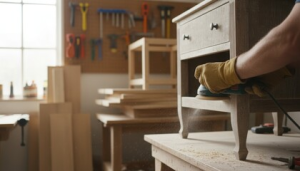
cabinet refinishing

On the other hand, replacement is ideal if your cabinets are outdated in both function and appearance. This approach offers unlimited customization and the ability to install modern features.

Cost

Cabinet refinishing is significantly less costly than replacing cabinets, allowing homeowners to get the updated look they desire without breaking the bank. The process of refinishing also takes much less time than installing new cabinets, making it an excellent option for homeowners looking to minimize disruption in their homes.

Refinishing is also a more environmentally friendly choice, as it reduces the need for manufacturing and importing new materials and minimizes waste. Additionally, refinishing allows for design flexibility that isn’t always possible with full replacement, such as changing the color of the wood or creating custom effects like distressed or antique finishes.

However, it’s important to keep in mind that refinishing requires proper care to ensure the longevity of your cabinets. Avoid using harsh chemicals and cleaners that can damage or discolor the finish. Also, sanding the surfaces of your cabinets before applying the new finish is essential to smooth out any rough spots or old paint.

Replacing your cabinets offers a more extensive makeover that can dramatically change the overall appearance of your kitchen, and it’s a great option if you want to upgrade your home for resale. It can increase your home value by enhancing its aesthetic and adding modern features.

However, the cost of replacing your cabinets can be more expensive than refacing them, as you’ll need to buy and install new materials and hire professionals to complete the project. In addition, the layout of your kitchen may need to be changed to accommodate the new cabinetry, which can add to the overall cost.

Time

Cabinet refinishing is a time-consuming process that requires a lot of patience. It also takes a significant amount of skill, as improper prep or paint can lead to disappointing results. This type of project is best for homeowners who have the time to commit to it and who are able to complete it with a high level of quality.

Before beginning the refinishing process, it’s important to remove any hardware that will be left exposed. This will prevent the accidental application of paint or stain to knobs, handles, and hinges. It is also important to clean the cabinets thoroughly. Using a gentle cleaner and a damp cloth or sponge will help to remove any dirt, grease, or grime that has accumulated over the years.

Once the cabinet surfaces have been cleaned, they will need to be sanded. This will remove any rough areas and smooth out the surface for a uniform finish. It is important to sand with medium and fine grits to achieve the desired result. It’s also important to follow the wood grain as much as possible. After sanding, it’s important to wipe down the cabinet surfaces with a damp cloth to remove any remaining dust and debris.

The timeline for refacing can vary depending on the extent of customization. Custom options can add to the overall cost of the project and may extend the time required for completion. In addition, any unforeseen issues that may arise during the process can impact the outcome. The team at Redo Cabinets will work with you to address these issues quickly and efficiently without sacrificing the integrity of your kitchen.

Appearance

Cabinet refinishing involves updating your cabinets without the cost of replacing them. The process is also more environmentally friendly than cabinet replacement. This type of renovation works best for cabinet doors and drawer fronts that are made from wood or MDF. However, refinishing cannot be used on thermofoil or laminate doors, as the paint won’t adhere to them. It’s also important to properly sand the surfaces before applying the new finish to ensure a smooth and even look.

Refinishing is a great choice if you want to change the color of your cabinets, hide minor scratches and dings, or give your space a modern makeover. You can even add features like soft-close drawers or crown molding to complete your transformation. Alternatively, you can choose to replace your cabinets if you are looking for a dramatic change. This option offers a full redesign and allows you to select custom cabinets that perfectly suit your design vision. You can also upgrade to features that might increase your home’s value, such as new hardware and modern designs.

However, refacing or replacement can take weeks or months to complete, leaving your kitchen out of commission for much longer than necessary. This may not be ideal for homeowners with a tight timeline or budget. Additionally, refacing can be limited by the current layout and materials of your cabinet boxes, meaning it might not address structural issues or low-quality surfaces. This is why refinishing is often the better choice for many homeowners.

Durability

Cabinet refinishing is an affordable alternative to full cabinet replacement and can revitalize your space in a fraction of the time. It involves sanding down the existing cabinet surfaces, priming them, and then applying a fresh coat of paint or stain. This process can be a DIY project, but it is best left to professionals who have the necessary experience and knowledge.

To begin, you should remove all hardware from your cabinets and set it aside in a safe place for reinstallation later. Then, use a cleaning product formulated for wood cabinets and a clean cloth to wipe down the surfaces. This is important to remove any dirt, grime, or grease build-up that may prevent the new finish from adhering properly. Next, sand the cabinet surface using medium-grit sandpaper to smooth out any rough spots or imperfections, and then use fine-grit paper to refine the surface. Once you’ve sanded the surfaces, clean them again with a cleaner formulated for wood cabinets and allow them to dry completely before moving on to the painting or staining process.

If you choose to stain your cabinets, it’s important to note that stains work best on natural wood or medium-density fiberboard (MDF). They tend to darken the natural features of the material and bring out rich color tones, so they’re a great option for those who want their cabinets to have a more natural look. Stains aren’t as durable as paint, so they’re better suited to decorative finishes rather than functional ones.

On the other hand, refacing involves adding laminate to your existing face frames and sides for a dramatically different appearance. It’s a more cost-effective way to revamp your cabinetry than replacing it completely and is ideal for those who want to increase their home’s value and functionality.

Customization

Cabinet refinishing is a great way to refresh solid, durable cabinets that work for you and your family. It can help you save money and avoid the hassle of having to find a contractor to replace your cabinet doors. However, it can only do so much, especially if you have worn handles, holes, chipping paint, or other cosmetic issues.

Cabinet replacement is a big investment, and it’s hard to predict what the final look will be. It may be a good option if you’re looking to add features like built-in dividers or more storage space, but it’s important to consider the total cost of the project, including labor, materials, and potential plumbing and electrical changes.

In addition to the cost, cabinet replacement can be a lengthy process that can keep your home out of commission for weeks. Refinishing is a less invasive option that typically only requires a few days. While it’s still important to clear out the space and protect countertops and floors, refinishing reduces the amount of time your kitchen or bathroom is in disrepair.

Refinishing is also a more environmentally responsible choice than replacing cabinets. While the manufacturing, installation, and disposal of new cabinets can have a negative impact on the environment, refinishing allows you to reuse existing materials and minimize waste. This is a great option for those who are looking to make an eco-conscious choice that aligns with their values and long-term goals.

Navigation