Author: Kenneth Brock

What Is Metal Fabrication?

Metal fabrication is a foundational process that shapes modern infrastructure, design, and manufacturing. At its core, metal fabrication refers to the transformation of raw metal materials into finished components or structures through cutting, bending, assembling, and finishing techniques. While the term may sound highly industrial, metal fabrication influences everyday environments in ways many people rarely consider. From structural frameworks and custom gates to decorative architectural elements and functional equipment, fabricated metal quietly supports both innovation and practicality. Understanding what Metal Fabrication Boise is helps reveal the craftsmanship and precision behind countless modern spaces.
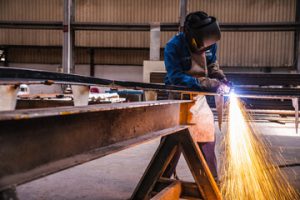
metal fabrication

The process of metal fabrication begins long before a piece of metal is cut or welded. It often starts with design planning, where measurements, materials, and intended applications are carefully considered. Modern fabrication relies heavily on digital design tools that allow professionals to visualize projects before production begins. This preparation ensures that fabricated pieces meet exact specifications while minimizing material waste. Once designs are finalized, fabricators select appropriate metals based on strength, flexibility, corrosion resistance, and overall performance requirements. Each decision plays a role in shaping the final product’s durability and aesthetic appeal.

One of the defining aspects of metal fabrication is its versatility. The process can be applied to small, intricate components as well as large structural systems. Fabricated metal may appear in residential environments as decorative railings or functional frameworks, while commercial and industrial settings rely on it for machinery, platforms, and architectural structures. The adaptability of metal fabrication allows designers and engineers to create solutions tailored to specific needs rather than relying on generic, mass-produced parts. This customization has made fabrication an essential element in modern construction and manufacturing.

The fabrication process itself involves a series of specialized techniques that transform raw metal into finished products. Cutting is often the first stage, where metal sheets or bars are shaped into precise dimensions using advanced tools. Bending and forming follow, allowing fabricators to create curves, angles, and structural shapes that align with design requirements. Welding and assembly then bring individual components together, forming a cohesive structure. Finally, finishing techniques such as polishing, coating, or texturing enhance durability and visual appeal. Each step requires careful attention to detail, combining technical expertise with artistic craftsmanship.

As technology continues to evolve, metal fabrication has become more efficient and precise. Automated machinery and advanced cutting methods allow fabricators to achieve intricate designs that were once difficult to produce. Digital modeling helps identify potential issues before fabrication begins, reducing errors and improving overall efficiency. Despite these technological advancements, the human element remains essential. Skilled fabricators interpret designs, refine details, and ensure that each project meets high standards of quality and performance. The blend of innovation and craftsmanship is what sets modern metal fabrication apart from traditional manufacturing processes.

Metal fabrication also plays a crucial role in supporting sustainable design practices. Many metals used in fabrication can be recycled without losing their strength or integrity, making them valuable resources for environmentally conscious projects. Fabricators often work to minimize waste by optimizing cutting patterns and repurposing leftover materials whenever possible. By focusing on durability and longevity, fabricated metal components reduce the need for frequent replacements, contributing to more sustainable construction and design solutions over time.

To better understand metal fabrication, it helps to explore the key stages involved in the process:

  1. Design and Planning: Detailed measurements, digital modeling, and material selection ensure that the project begins with a clear vision and accurate specifications.
  2. Cutting and Shaping: Advanced tools transform raw metal into precise components that match the intended design.
  3. Assembly and Welding: Individual pieces are joined together to create strong, cohesive structures.
  4. Finishing and Treatment: Surface treatments enhance durability, improve appearance, and protect against environmental factors.

These stages illustrate how fabrication is both a technical and creative journey, requiring careful coordination from start to finish.

The growing popularity of custom metal fabrication reflects a broader shift toward personalized design. Rather than settling for standardized materials, many designers and property owners seek unique features that reflect individual style and functional needs. Fabricated metal offers the flexibility to create distinctive patterns, textures, and structural forms that enhance the overall character of a space. This ability to blend creativity with practicality has positioned metal fabrication as a preferred solution for modern projects that value originality.

Another reason metal fabrication is widely used is its strength and reliability. Metals such as steel and iron are known for their ability to withstand heavy loads and challenging environmental conditions. Fabricated components often serve as the backbone of structures, providing stability and support while maintaining a refined appearance. This combination of strength and elegance makes fabricated metal an ideal choice for projects that demand both performance and visual impact. The durability of metal ensures that fabricated pieces can maintain their integrity for years, even in demanding environments.

Safety and quality control are integral aspects of the fabrication process. Fabricators follow strict guidelines to ensure that each component meets performance standards and structural requirements. Precision measurements, thorough inspections, and advanced testing methods help maintain consistency throughout production. This focus on safety not only protects the integrity of the final product but also reinforces trust in fabricated metal as a reliable material for a wide range of applications.

The applications of metal fabrication extend across numerous industries and design disciplines. In architecture, fabricated metal enhances structural frameworks and decorative elements. In manufacturing, it supports machinery and equipment essential for production processes. Even in artistic contexts, metal fabrication allows creators to explore sculptural forms and innovative designs. This versatility highlights the importance of fabrication as a foundational process that bridges engineering and creativity.

When exploring the benefits of metal fabrication, several advantages stand out:

  1. Customization and Flexibility: Fabrication allows for tailored solutions that align with specific design goals, ensuring that each project feels unique and purposeful.
  2. Durability and Longevity: Fabricated metal components are built to withstand wear and environmental stress, reducing maintenance and replacement costs over time.

These benefits explain why fabricated metal continues to play a vital role in modern construction and design. Its ability to combine practicality with visual appeal makes it a material that adapts to evolving trends while maintaining timeless relevance.

In recent years, the aesthetic value of fabricated metal has gained greater recognition. Designers increasingly use metal elements to create contrast, texture, and visual interest within a space. Sleek finishes and minimalist forms complement contemporary styles, while intricate patterns add depth and character. The adaptability of metal allows it to blend seamlessly with other materials, creating harmonious environments that feel both modern and enduring. Fabrication has moved beyond purely functional applications, becoming a creative tool that enhances the overall design experience.

Looking toward the future, metal fabrication is likely to continue evolving alongside technological advancements and changing design priorities. Innovations in automation, digital modeling, and material treatments will expand the possibilities for customization and efficiency. As sustainability remains a key focus, fabricators will explore new methods to reduce environmental impact while maintaining high performance standards. The future of metal fabrication lies in its ability to adapt, balancing tradition with innovation to meet the demands of a rapidly changing world.

In conclusion, metal fabrication is much more than a manufacturing process; it is a dynamic discipline that shapes the environments we live and work in every day. By transforming raw materials into functional and artistic creations, fabrication bridges the gap between engineering and design. Its versatility, durability, and potential for customization make it an essential component of modern construction and creative expression. Whether supporting structural frameworks or enhancing aesthetic features, metal fabrication continues to prove that strength and elegance can coexist, defining the way spaces are built and experienced for generations to come.
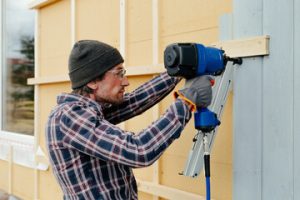
How Siding Contractors Help Transform Durability, Efficiency, and Curb Appeal in Modern Homes

Siding Contractors Boston MA plays a much bigger role in construction and renovation projects than many property owners realize. Beyond its visual impact, siding acts as a protective layer that shields structures from weather exposure, helps regulate indoor temperatures, and contributes to long-term structural performance. This is why experienced siding contractors are often involved early in exterior upgrades or new construction plans. Their work goes far beyond installing panels; they assess building conditions, recommend suitable materials, and ensure that every layer of the exterior functions together as a cohesive system. When siding is installed correctly, it enhances both the appearance and longevity of a property while reducing ongoing maintenance concerns.

siding

One of the biggest advantages of working with professional siding contractors is their ability to evaluate a building’s exterior as a whole. Rather than focusing solely on surface-level aesthetics, they consider insulation, moisture control, ventilation, and structural alignment. These factors determine how well the siding performs over time. Poor installation or improper material selection can lead to issues such as trapped moisture, uneven surfaces, or increased energy costs. Skilled contractors understand how each layer—from the framing to the finishing touches—interacts with the others, ensuring that the exterior performs efficiently in different conditions.

Modern siding projects often begin with a detailed inspection process. Contractors typically assess the condition of existing materials, check for hidden damage, and identify areas that may require reinforcement before installation begins. This stage allows them to address underlying problems that could compromise the effectiveness of new siding. Many property owners overlook the importance of this preparation phase, but it is often the key to achieving a long-lasting result. By correcting structural concerns early, siding contractors create a stable foundation that supports durability and performance for years to come.

Energy efficiency has become one of the main reasons people invest in siding upgrades, and contractors play a crucial role in achieving these benefits. Properly installed siding can reduce heat transfer, improve insulation, and minimize air leaks that contribute to higher energy bills. Modern siding systems often include layers designed to enhance thermal performance, helping maintain comfortable indoor temperatures regardless of external conditions. Contractors evaluate factors such as wall orientation, airflow patterns, and insulation needs to recommend solutions that balance efficiency with visual appeal.

Another major benefit of hiring experienced siding contractors is their ability to guide material selection. With so many siding options available, choosing the right one can feel overwhelming. Contractors help property owners weigh the pros and cons of different materials based on durability, maintenance requirements, and long-term value. They also consider how materials perform under varying environmental conditions. While appearance is important, professionals focus on selecting siding that maintains its strength and color over time, reducing the need for frequent repairs or replacements.

A well-planned siding project often revolves around a few essential priorities that contractors evaluate before work begins:

  1. Structural Compatibility – Ensuring that the chosen siding material aligns with the building’s framework and support systems.
  2. Weather Resistance – Selecting options that can withstand moisture, sunlight, and temperature fluctuations without deterioration.
  3. Maintenance Expectations – Matching materials to the owner’s preference for long-term upkeep and cleaning requirements.

By addressing these priorities early, siding contractors help property owners make informed decisions that support both function and style.

Curb appeal is another area where siding contractors make a noticeable impact. The exterior of a property is often the first thing people notice, and updated siding can dramatically change its overall appearance. Professional installation ensures clean lines, balanced proportions, and seamless transitions between different architectural features. Contractors often recommend design elements such as varied textures or complementary color combinations to create visual interest without overwhelming the structure’s original character. These thoughtful design choices help properties stand out while maintaining a cohesive and polished look.

In addition to aesthetics, siding contractors also focus on moisture management, which is one of the most critical aspects of exterior construction. Water infiltration can lead to structural damage, mold growth, and insulation problems if not addressed properly. Contractors use specialized techniques and materials to create a protective barrier that directs moisture away from vulnerable areas. This attention to detail helps preserve the integrity of the building envelope, reducing the risk of costly repairs in the future. Effective moisture control is often invisible once the project is complete, yet it plays a significant role in the longevity of the siding system.

Modern siding installation has evolved alongside advancements in construction technology. Many contractors now use digital measurement tools and precise cutting techniques to achieve accurate fits and efficient installation processes. These innovations reduce material waste and improve overall project timelines. While traditional craftsmanship remains essential, technology enhances precision and allows contractors to deliver consistent results. The combination of skilled labor and modern tools ensures that siding installations meet both aesthetic and performance expectations.

Another important aspect of siding projects is the coordination between contractors and other construction professionals. Siding often interacts with roofing, windows, and structural components, making collaboration essential. Experienced contractors understand how to integrate their work with other systems to avoid gaps or inconsistencies. This teamwork ensures that each part of the exterior functions as a unified structure rather than a collection of separate elements. Proper coordination also helps maintain project schedules and prevents delays caused by miscommunication.

Homeowners and property managers often appreciate siding contractors for their ability to simplify complex renovation projects. Replacing or upgrading siding can feel overwhelming, especially when it involves structural evaluations or design changes. Contractors guide clients through each step, from planning and material selection to installation and final inspection. This structured approach provides clarity and confidence, allowing property owners to focus on the overall vision rather than worrying about technical details.

When planning a siding project, contractors frequently highlight several practical advantages that come with professional installation:

  1. Improved Energy Performance – Proper insulation and sealing reduce heating and cooling demands.
  2. Enhanced Structural Protection – Durable materials create a barrier against environmental stress.
  3. Long-Term Cost Savings – High-quality installation reduces the need for frequent repairs or maintenance.

These benefits demonstrate how siding contractors contribute to both immediate improvements and long-term value.

Maintenance planning is another area where contractors provide valuable insight. While modern siding materials are designed to require less upkeep, regular inspections and cleaning help preserve their appearance and performance. Contractors often offer guidance on how to maintain siding surfaces, including recommendations for gentle cleaning methods and periodic evaluations. This proactive approach helps property owners extend the lifespan of their investment while maintaining a fresh and well-kept exterior.

Siding contractors also play a role in improving overall property value. Updated siding enhances visual appeal and signals that the building has been well cared for, which can attract potential buyers or tenants. Beyond aesthetics, modern siding systems often reflect improved efficiency and durability, making properties more appealing in competitive markets. By investing in professional installation, property owners not only enhance their current living environment but also strengthen the long-term marketability of their property.

As construction trends continue to evolve, siding contractors are adapting to meet new expectations for sustainability and performance. Many projects now prioritize materials that balance durability with environmental responsibility. Contractors help clients explore options that reduce waste, improve energy efficiency, and support long-term sustainability goals. This shift toward responsible construction reflects a growing awareness of how exterior upgrades can contribute to both personal comfort and environmental impact.

Ultimately, siding contractors serve as essential partners in transforming the exterior of any property. Their expertise extends beyond installation, encompassing planning, design, efficiency, and structural protection. By combining technical knowledge with creative problem-solving, they help property owners achieve results that are both visually appealing and highly functional. Whether upgrading an existing structure or completing a new build, professional siding installation ensures that the exterior remains durable, efficient, and attractive for years to come.

In a construction landscape that increasingly values longevity and efficiency, siding contractors continue to play a vital role in shaping modern exteriors. Their ability to balance craftsmanship with innovation allows them to deliver solutions that meet evolving expectations without sacrificing quality. Through thoughtful planning, precise execution, and ongoing support, they help create spaces that not only look impressive but also perform reliably in the long run.

Navigation