Metal fabrication is a foundational process that shapes modern infrastructure, design, and manufacturing. At its core, metal fabrication refers to the transformation of raw metal materials into finished components or structures through cutting, bending, assembling, and finishing techniques. While the term may sound highly industrial, metal fabrication influences everyday environments in ways many people rarely consider. From structural frameworks and custom gates to decorative architectural elements and functional equipment, fabricated metal quietly supports both innovation and practicality. Understanding what Metal Fabrication Boise is helps reveal the craftsmanship and precision behind countless modern spaces.
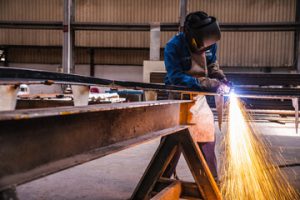
The process of metal fabrication begins long before a piece of metal is cut or welded. It often starts with design planning, where measurements, materials, and intended applications are carefully considered. Modern fabrication relies heavily on digital design tools that allow professionals to visualize projects before production begins. This preparation ensures that fabricated pieces meet exact specifications while minimizing material waste. Once designs are finalized, fabricators select appropriate metals based on strength, flexibility, corrosion resistance, and overall performance requirements. Each decision plays a role in shaping the final product’s durability and aesthetic appeal.
One of the defining aspects of metal fabrication is its versatility. The process can be applied to small, intricate components as well as large structural systems. Fabricated metal may appear in residential environments as decorative railings or functional frameworks, while commercial and industrial settings rely on it for machinery, platforms, and architectural structures. The adaptability of metal fabrication allows designers and engineers to create solutions tailored to specific needs rather than relying on generic, mass-produced parts. This customization has made fabrication an essential element in modern construction and manufacturing.
The fabrication process itself involves a series of specialized techniques that transform raw metal into finished products. Cutting is often the first stage, where metal sheets or bars are shaped into precise dimensions using advanced tools. Bending and forming follow, allowing fabricators to create curves, angles, and structural shapes that align with design requirements. Welding and assembly then bring individual components together, forming a cohesive structure. Finally, finishing techniques such as polishing, coating, or texturing enhance durability and visual appeal. Each step requires careful attention to detail, combining technical expertise with artistic craftsmanship.
As technology continues to evolve, metal fabrication has become more efficient and precise. Automated machinery and advanced cutting methods allow fabricators to achieve intricate designs that were once difficult to produce. Digital modeling helps identify potential issues before fabrication begins, reducing errors and improving overall efficiency. Despite these technological advancements, the human element remains essential. Skilled fabricators interpret designs, refine details, and ensure that each project meets high standards of quality and performance. The blend of innovation and craftsmanship is what sets modern metal fabrication apart from traditional manufacturing processes.
Metal fabrication also plays a crucial role in supporting sustainable design practices. Many metals used in fabrication can be recycled without losing their strength or integrity, making them valuable resources for environmentally conscious projects. Fabricators often work to minimize waste by optimizing cutting patterns and repurposing leftover materials whenever possible. By focusing on durability and longevity, fabricated metal components reduce the need for frequent replacements, contributing to more sustainable construction and design solutions over time.
To better understand metal fabrication, it helps to explore the key stages involved in the process:
- Design and Planning: Detailed measurements, digital modeling, and material selection ensure that the project begins with a clear vision and accurate specifications.
- Cutting and Shaping: Advanced tools transform raw metal into precise components that match the intended design.
- Assembly and Welding: Individual pieces are joined together to create strong, cohesive structures.
- Finishing and Treatment: Surface treatments enhance durability, improve appearance, and protect against environmental factors.
These stages illustrate how fabrication is both a technical and creative journey, requiring careful coordination from start to finish.
The growing popularity of custom metal fabrication reflects a broader shift toward personalized design. Rather than settling for standardized materials, many designers and property owners seek unique features that reflect individual style and functional needs. Fabricated metal offers the flexibility to create distinctive patterns, textures, and structural forms that enhance the overall character of a space. This ability to blend creativity with practicality has positioned metal fabrication as a preferred solution for modern projects that value originality.
Another reason metal fabrication is widely used is its strength and reliability. Metals such as steel and iron are known for their ability to withstand heavy loads and challenging environmental conditions. Fabricated components often serve as the backbone of structures, providing stability and support while maintaining a refined appearance. This combination of strength and elegance makes fabricated metal an ideal choice for projects that demand both performance and visual impact. The durability of metal ensures that fabricated pieces can maintain their integrity for years, even in demanding environments.
Safety and quality control are integral aspects of the fabrication process. Fabricators follow strict guidelines to ensure that each component meets performance standards and structural requirements. Precision measurements, thorough inspections, and advanced testing methods help maintain consistency throughout production. This focus on safety not only protects the integrity of the final product but also reinforces trust in fabricated metal as a reliable material for a wide range of applications.
The applications of metal fabrication extend across numerous industries and design disciplines. In architecture, fabricated metal enhances structural frameworks and decorative elements. In manufacturing, it supports machinery and equipment essential for production processes. Even in artistic contexts, metal fabrication allows creators to explore sculptural forms and innovative designs. This versatility highlights the importance of fabrication as a foundational process that bridges engineering and creativity.
When exploring the benefits of metal fabrication, several advantages stand out:
- Customization and Flexibility: Fabrication allows for tailored solutions that align with specific design goals, ensuring that each project feels unique and purposeful.
- Durability and Longevity: Fabricated metal components are built to withstand wear and environmental stress, reducing maintenance and replacement costs over time.
These benefits explain why fabricated metal continues to play a vital role in modern construction and design. Its ability to combine practicality with visual appeal makes it a material that adapts to evolving trends while maintaining timeless relevance.
In recent years, the aesthetic value of fabricated metal has gained greater recognition. Designers increasingly use metal elements to create contrast, texture, and visual interest within a space. Sleek finishes and minimalist forms complement contemporary styles, while intricate patterns add depth and character. The adaptability of metal allows it to blend seamlessly with other materials, creating harmonious environments that feel both modern and enduring. Fabrication has moved beyond purely functional applications, becoming a creative tool that enhances the overall design experience.
Looking toward the future, metal fabrication is likely to continue evolving alongside technological advancements and changing design priorities. Innovations in automation, digital modeling, and material treatments will expand the possibilities for customization and efficiency. As sustainability remains a key focus, fabricators will explore new methods to reduce environmental impact while maintaining high performance standards. The future of metal fabrication lies in its ability to adapt, balancing tradition with innovation to meet the demands of a rapidly changing world.
In conclusion, metal fabrication is much more than a manufacturing process; it is a dynamic discipline that shapes the environments we live and work in every day. By transforming raw materials into functional and artistic creations, fabrication bridges the gap between engineering and design. Its versatility, durability, and potential for customization make it an essential component of modern construction and creative expression. Whether supporting structural frameworks or enhancing aesthetic features, metal fabrication continues to prove that strength and elegance can coexist, defining the way spaces are built and experienced for generations to come.